Why New York's Grid Now Dips at Midday — and What It Means for Building Owners
As rooftop solar grows, New York's daily demand curve is sagging at midday and spiking in the evening. Here's what the emerging "duck curve" means for what your building pays — and when.
New York’s electricity grid is quietly changing shape, and the latest data from the U.S. Energy Information Administration puts a number on it. Across the state, demand for metered electricity is now falling in the middle of the day and spiking harder in the evening. For anyone who owns or operates buildings, that shift has real consequences for what you pay and when.
What the data shows
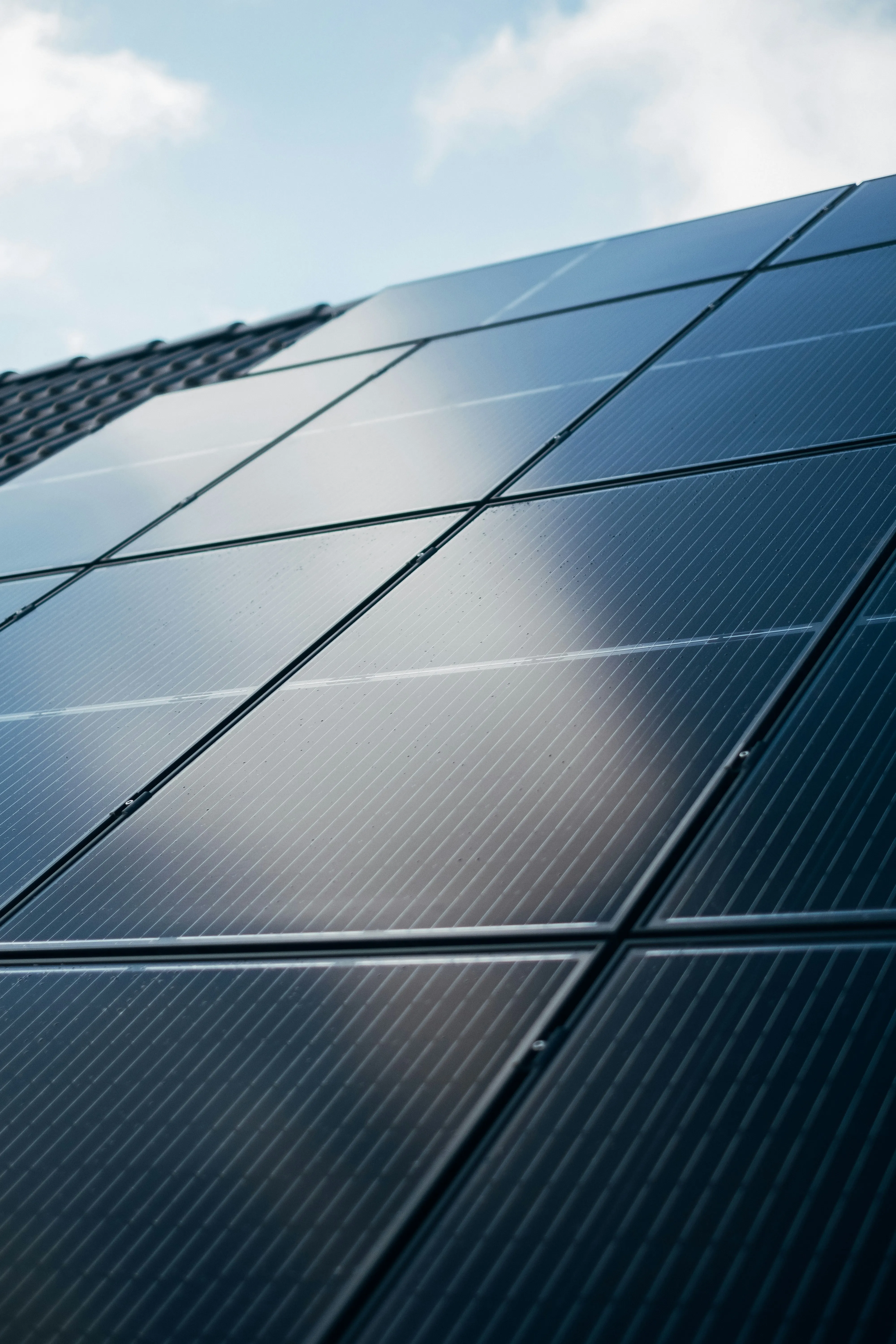
The cause is small-scale solar — the rooftop and other systems under one megawatt that sit behind the meter and aren’t tracked by the utility as generation. When they produce, they simply make the building draw less from the grid. New York has added 5.6 gigawatts of solar capacity since 2018, and roughly half of that is this small-scale, behind-the-meter type. As it’s grown, it has carved a dip into the middle of the daily demand curve.
The numbers are striking, especially in early spring when demand is low and sunlight is strong. In March and April of 2018, statewide electricity demand rose by an average of about 850 MW during the 8-to-11 a.m. window as people started their day. By 2026, demand in that same morning window was falling by an average of about 923 MW, as solar ramped up faster than the morning load.
The evening tells the opposite story. As the sun sets and solar output collapses, all that demand comes back at once. Early-evening demand (4 to 7 p.m.) rose by an average of 681 MW in 2018. By 2026, that same evening ramp had jumped to an average of 2,221 MW — more than three times steeper. Grid operators dispatch solar first, so they’re left ramping other generation up and down hard to keep the system balanced.
If you’ve heard the term “duck curve,” this is it arriving in New York: a belly that sags at midday and a neck that shoots up in the evening.
Why it matters for your building
The headline takeaway is that the value of electricity is migrating later in the day. Midday power, when the grid is awash in solar, is becoming relatively cheap and clean. Late-afternoon and evening power, when the grid scrambles to cover the ramp, is becoming relatively expensive and carbon-intensive. Three implications follow for commercial real estate:
Demand charges are increasingly an evening problem. On a large commercial account, demand charges — the per-kW charges tied to your single highest interval — often rival or exceed the cost of the energy itself. As the system’s tightest, priciest hours shift toward the early evening, a building whose peak lands in that window is exposed to exactly the wrong part of the curve. Knowing when your building peaks now matters as much as knowing how much it uses.
Load that can move is worth more than it used to be. Anything you can shift out of the evening ramp and into the cheap midday belly — pre-cooling, EV charging, flexible equipment, batteries discharging at 6 p.m. instead of charging — is becoming a larger lever on your bill. The spread between midday and evening prices is what makes demand response and storage pencil out, and that spread is widening.
Behind-the-meter economics are tilting toward storage. Standalone midday solar is becoming less valuable to the grid precisely because there’s already so much of it at noon. Solar paired with storage that discharges into the evening peak is becoming more valuable. If you’ve looked at on-site solar before and the math was marginal, the changing shape of the curve — and the demand-charge savings from shaving your evening peak — is worth a fresh look.
The compliance angle
There’s a Local Law 97 dimension here too. As buildings electrify heating with heat pumps, much of that new electric load lands in the colder, darker hours — the same evening window where the grid is dirtiest and most expensive. The carbon intensity of grid electricity isn’t flat across the day, and as New York’s emissions accounting grows more sophisticated, when a building draws power will matter more, not less. Electrifying is the right direction; doing it without a plan for load timing leaves savings and emissions reductions on the table.
The bottom line
None of this changes the fundamentals of buying energy well, but it raises the stakes on a question many owners have never had to ask: not just how much electricity your building uses, but when. The grid is rewarding buildings that can lean into cheap midday power and stay out of the way during the evening ramp. The first step is simply looking at your interval data to see where your building sits on that curve — most owners have never seen it laid out.
Source: U.S. Energy Information Administration, “Metered electricity demand in the New York ISO falls midday because of small-scale solar,” Today in Energy, June 26, 2026.